
Industry guide
Manufacturing Business Funding
Put the next production run in perspective. Plan for materials, people, and the costs between accepting an order and getting paid.
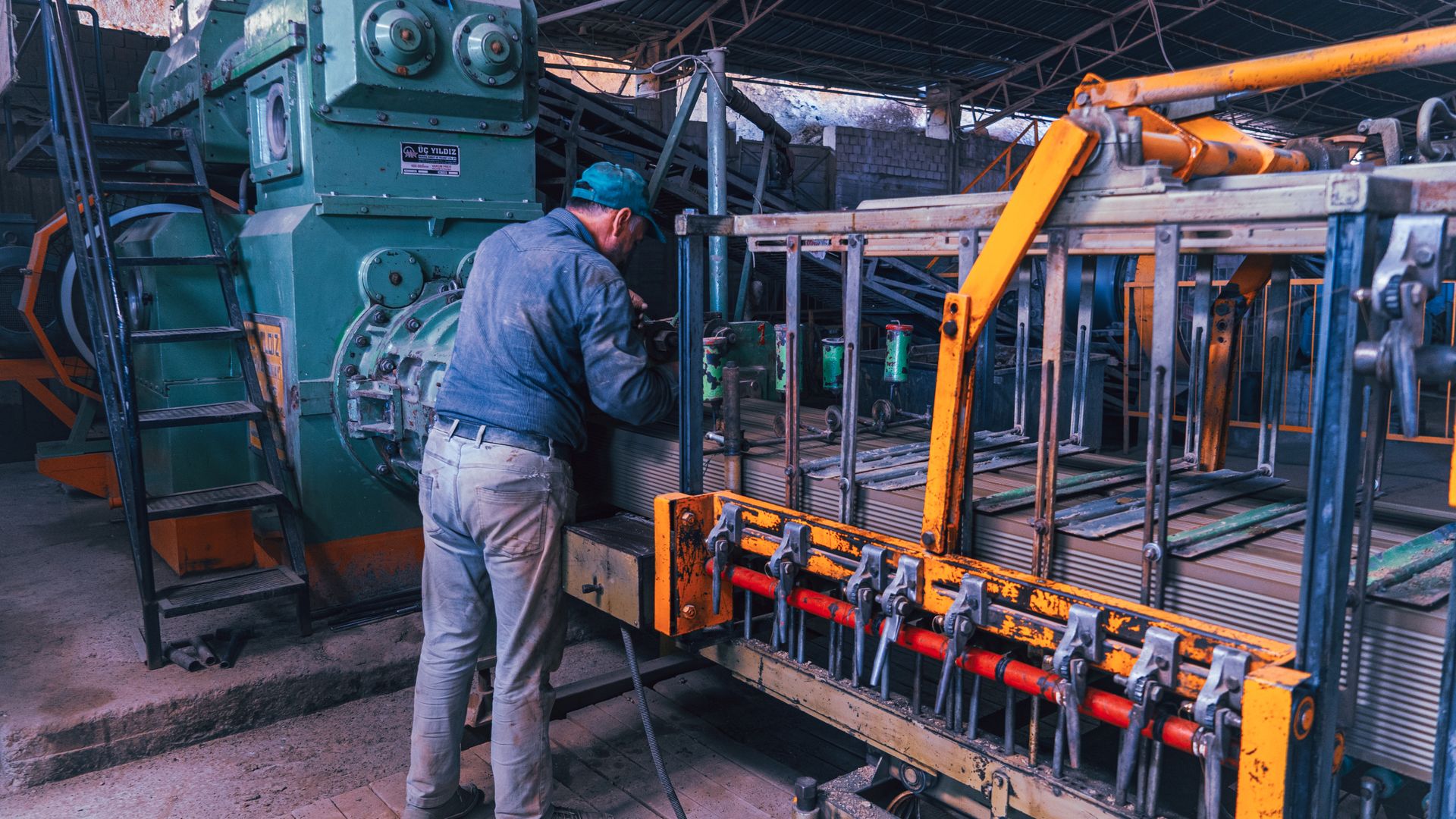
A full order book still needs working capital
Manufacturing business funding can help cover the expenses that come before customer revenue: raw materials, production labor, packaging, and shipping. The challenge is often timing. Cash goes out while an order moves through purchasing, production, delivery, and collection.
A useful funding plan follows that whole cycle. An order’s sales value does not tell you how much cash you need or how long it will be tied up. Map the actual spending dates and the customer’s expected payment date before comparing offers.
Build the budget around the production run
- Raw materials: supplier deposits, components, and minimum order quantities.
- Production expenses: labor, overtime, utilities, and subcontracted work.
- Order fulfillment: packaging, freight, and costs due before delivery.
- Operational continuity: repairs, maintenance, and replacement parts.
Separate costs caused by this order from expenses the business already carries. Include waste, rework, and inspection time where they are relevant to your operation. A funding plan that assumes every unit passes the first time can understate the cash needed.
Find the largest cash gap
An order requires $18,000 of materials, $12,000 of labor, and $3,000 for packing and freight before collection. A confirmed $10,000 customer deposit and $8,000 of available business cash leave a $15,000 gap before any additional contingency.
The sales price is not the funding requirement. This example excludes funding costs and is not an offer or a forecast for your business.
Repeat the calculation by week. Include other jobs running at the same time, supplier due dates, and current funding payments. Then test a delayed shipment or a late customer payment to see whether the plan still holds.
Match the option to the expense
Working capital funding may suit a defined production need. A business line of credit may offer flexibility for recurring cycles, subject to its terms and availability. Supplier payment terms or customer deposits can also reduce the amount of outside funding required.
A major machine purchase deserves a separate comparison with equipment financing or leasing. Paying for a long-lived asset creates a different cash-flow commitment from buying materials for an order. For stock held ahead of demand, read our inventory funding guide.
If outstanding invoices are the issue, compare factoring or invoice financing with funding based on future receipts. They are different arrangements, even when each is used to support production.
Keep capacity and margin in the decision
More orders are useful only if the business can fulfill them profitably. Check machine availability, staffing, supplier lead times, and any bottleneck that funding alone cannot solve. Avoid buying more material than your operation can turn into delivered, paid orders.
Before accepting funding, compare the total amount you will pay, the timing of each payment or remittance, fees, and any security or guarantee requirements. Use the actual offer in your forecast; do not assume every product adjusts automatically when sales slow.
Manufacturing funding questions
Can funding cover both materials and payroll?
Some business funding arrangements allow multiple operating uses. Check the offer’s permitted uses and include both costs in one production cash-flow plan.
Should I fund the full value of a purchase order?
Not automatically. Estimate the costs due before collection, then subtract confirmed deposits and cash you can safely use.
What if the customer pays after delivery?
Include the collection period after shipping, not just the time spent producing the goods. Compare alternatives that fit that complete cycle.
Your next step
Funding for the business you’re building.
Access $7,000–$500,000 in business funding for working capital, inventory, equipment, and growth. Amounts are subject to eligibility and underwriting.
Apply for fundingReview our funding requirements. This guide provides general information; the terms of an actual offer govern.